
Canthopexy and Canthoplasty in Boca Raton, FL
Eyelid Tightening & Eye Shape Support by Oculoplastic Surgeon Dr. Maria D. Garcia
Canthopexy and Canthoplasty: At a Glance
- Procedure Duration: 45–90 minutes (average)
- Setting: Outpatient procedure
- Anesthesia: Local (w/ or w/o sedation), general anesthesia (less common)
- Return to Desk Work: Average of 5–7 days
What Are Canthopexy and Canthoplasty?
Canthopexy
- Tightens and reinforces the existing tendon at the outer eyelid without cutting it.
- Usually best for mild eyelid laxity or to support lower eyelid surgery.
- Less invasive option.
Canthoplasty
- A more advanced procedure that involves repositioning and reconstructing the lateral canthus.
- Generally best for more significant eyelid laxity, eyelid malposition, or structural correction.
- More invasive due to greater structural changes.

Why Do Patients Choose Canthopexy or Canthoplasty?
- Better Lower Eyelid Support: Tightening the outer eyelid helps prevent the lower eyelid from sagging or pulling away.
- Enhance Eye Shape: Also called “almond-eye surgeries,” these procedures can create a popular eye contour aesthetic.
- Address Eyelid Malposition: Canthopexy/plasty can treat conditions such as ectropion, eyelid laxity, or asymmetry.
The Consultation Process at The Oculofacial Studio
- Eyelid laxity and tone
- Lower eyelid position
- Lateral canthal tendon strength
- Eye shape and symmetry
- Tear film and eye dryness
Why Choose The Oculofacial Studio for Canthopexy and Canthoplasty?
Canthopexy and canthoplasty require extensive knowledge of eyelid anatomy and function. As a fellowship-trained oculofacial plastic surgeon, Dr. Garcia specializes in eyelid structure, eyelid positioning, and periocular reconstruction.
Her training informs every procedure detail, ensuring careful attention to eyelid support, eye shape, and natural appearance.
What to Expect During Surgery
What Is the Recovery Process Like, and When Can I See Results?
Week 1
You can expect some swelling, mild bruising, and tightness at the outer eyelid. Temporary dryness and eye irritation can also occur but are normal. Swelling is usually most noticeable in the first few days and gradually improves. Helpful recovery aids include:
- Cold compresses
- Artificial tears
- Sleeping with your head elevated
- Avoiding strenuous activity
- Planning ahead for downtime assistance
Weeks 2–3
Beyond
Most swelling resolves over the following weeks, with minor residual swelling gradually fading over a few months. With the swelling resolved, your eyelids will settle into their final position.
Canthopexy and Canthoplasty FAQs
What should I do prior to surgery?
- Stopping blood-thinning medications or supplements as directed
- Avoiding smoking and nicotine
- Arranging a ride home after surgery
- Preparing cold compresses, pain relievers, and artificial tears
- Planning for several days of downtime
What are the risks of canthopexy and canthoplasty?
Risks are uncommon but can include:
- Swelling
- Bruising
- Temporary eye dryness
- Asymmetry
- Under- or over-correction
However, working with an experienced oculofacial plastic surgeon helps reduce these risks. Dr. Maria provides attentive follow-up care to further improve your safety and monitor your healing.
Is the procedure painful?
Will I have visible scars?
How long do results last?
Canthopexy can often last around 10 years. Over time, aging can cause the structures to stretch again. However, healthy lifestyle choices can help prolong your results.
Canthoplasty is even longer lasting, as it creates permanent structural changes. While aging can still influence the eye’s appearance, canthoplasty results are significant for 10 years at a minimum, with them being permanent for many patients.
Schedule Your Consultation
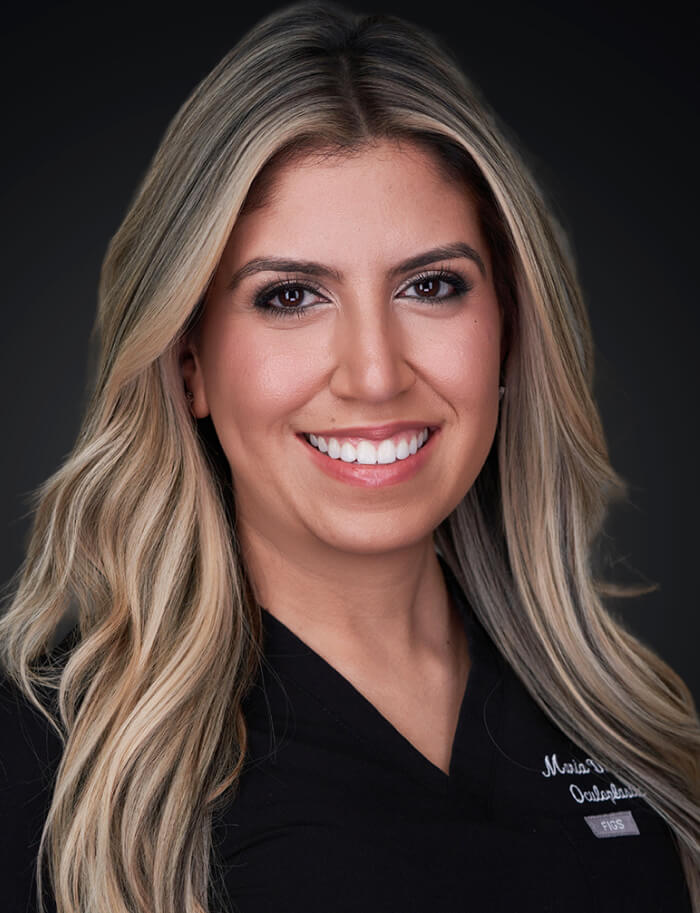
Maria D. Garcia, M.D.
If you are considering eyelid surgery, a personalized consultation with Dr. Garcia is the first step in determining the best approach for your desired results.