Skin Cancer Reconstruction in Boca Raton, FL

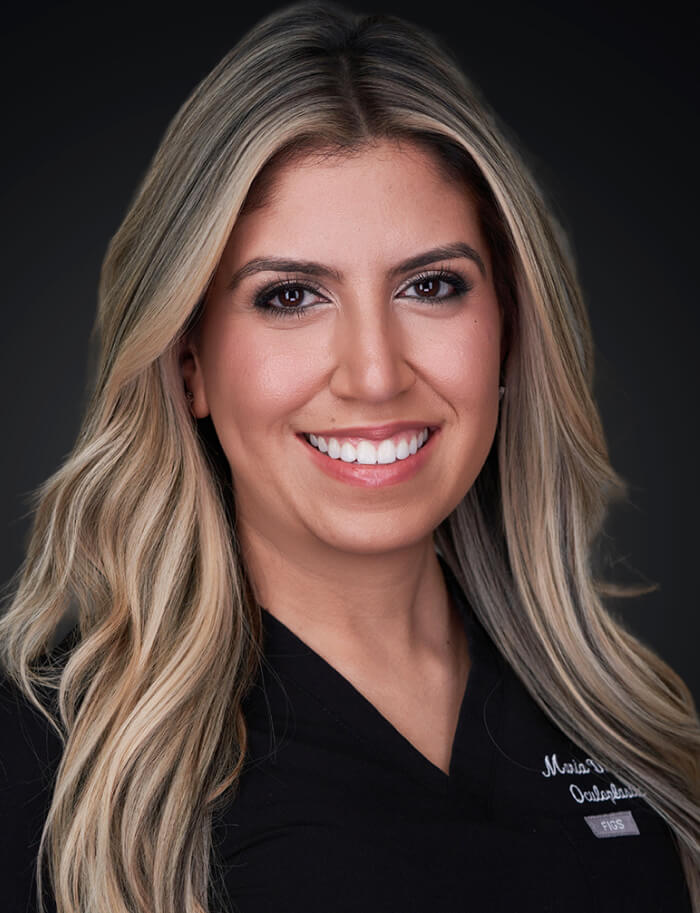
Reconstructive Eyelid Surgery by Dr. Maria D. Garcia

Following skin cancer removal, eyelid reconstruction is often essential to restore both comfort and appearance. Because the eyelids are vital to protecting the eyes and shaping natural facial expression, every reconstruction should be approached with precision, compassion, and an unwavering focus on the needs of the patient.
Dr. Maria D. Garcia is a board-certified ophthalmologist and oculofacial plastic surgeon in Boca Raton, Florida, specializing in delicate eyelid reconstruction. With a personalized, patient-centered approach, she carefully designs each procedure to restore function, preserve natural expression, and help patients feel cared for, comfortable and confident throughout the healing process.

Skin Cancer Reconstruction: At a Glance

  • Procedure Duration:45–120 minutes (depending on complexity)
  • Setting:In-Office or outpatient surgical procedure (depending on complexity)
  • Anesthesia: Local anesthesia or IV sedation
  • Return to Desk Work:5–10 days

What Is Skin Cancer Reconstruction?

Skin cancer reconstruction restores delicate eyelid and periocular tissues affected by skin cancer removal, such as Mohs surgery. Although removing the cancer is the first priority, treatment can leave changes that affect both the appearance and function of the eyelids. Because the eyelids play an essential role in protecting the eye, maintaining comfort, and framing facial expression, reconstruction must do far more than simply close the skin.

Successful eyelid reconstruction requires careful restoration of both natural form and function. The goal is to recreate the natural contour of the eyelids and surrounding tissues while preserving eyelid closure, eye protection, comfort, and facial harmony. Given the complexity of the periocular area, this type of reconstruction requires the expertise of a surgeon who specializes specifically in these delicate structures.
Dr. Garcia approaches skin cancer reconstruction of the eyelids and periocular area with meticulous attention to detail, combining reconstructive precision with a refined aesthetic eye to help patients heal in a way that feels both natural and reassuring.
  • Restoring normal anatomy
  • Protecting vital structures such as the eye
  • Minimizing visible scarring
  • Maintaining facial symmetry
  • Achieving the most natural aesthetic outcome possible

The Consultation Process at The Oculofacial Studio

Dr. Garcia performs a comprehensive evaluation to determine how best to approach reconstruction for each patient. Your thorough consultation can include:
  • Evaluation of the post-cancer surgical defect
  • Skin quality and tissue laxity assessment
  • Functional evaluation of eyelids or surrounding structures
  • Photography and symmetry analysis
  • Review of pathology and Mohs surgery reports

The Skin Cancer Reconstruction Procedure

Several reconstructive techniques may be used depending on the location and size of the defect.
  • Primary Closure: Best for smaller defects, leaves the smallest scar.
  • Local Skin Flaps: Repositions nearby tissue to restore the area, maintains similar color and texture.
  • Skin Grafts: Grafts skin from another body area, best for larger defects.
  • Eyelid Reconstruction: Repairs to eyelid margin or internal structures, promotes natural eyelid function.

Surgery Day

We ask patients to arrive about 1 hour before surgery. This allows for sufficient time to review your plan and prepare the treatment area. For most cases, we only use local anesthesia to numb the area. You will remain awake but comfortable.
The time for the procedure itself will reflect the complexity of your case. Most of Dr. Garcia’s procedures take between 45 and 120 minutes, after which you can return home the same day.

Skin Cancer Reconstruction Recovery Timeline

Days 1–3

Swelling, bruising, and mild discomfort are most noticeable for the first few days after surgery. Dr. Garcia will provide full instructions for managing discomfort and swelling. In general, cold compresses help control swelling. For discomfort, over-the-counter pain relievers tend to be sufficient.

Weeks 1

Swelling begins to improve significantly, with the majority resolved by the end of the week. Many patients feel comfortable returning to desk work and light daily activities.

Weeks 2

Bruising and swelling should have mostly resolved. Dr. Garcia likely will see you for a follow-up visit to check progress and remove sutures.

4 Weeks to 3 Months

Scar maturation begins. Your tissues will settle over several months, after which your final cosmetic results will be in place.

Why Choose The Oculofacial Studio for Skin Cancer Reconstruction?

Patients trust Dr. Maria D. Garcia for facial reconstructive surgery not only for her expertise but for her patient-centric approach. Her practice highlights include:
  • Specializing in oculoplastic surgery, not general plastic surgery
  • Extensive experience working on delicate facial and periocular anatomy
  • Prioritizing both functional restoration and natural appearance
  • Reconstruction plans that are carefully customized for each patient
  • Using surgical techniques designed to minimize scarring
  • Providing patients with attentive follow-up care and support

Skin Cancer Reconstruction FAQs

Am I a candidate for skin cancer reconstruction?

Most patients who have had surgical skin cancer removal can qualify for reconstruction. Most commonly, Dr. Garcia works with patients post Mohs surgery or excision procedures. Additionally, candidates will be in overall stable health with completed skin cancer removal.
Any surgery, even reconstructive ones, will have a certain risk profile. However, safety is maximized by working with a qualified, experienced specialist who provides attentive post-procedure support and careful surgical planning. While risks are minimal, they can include:
  • Infection (<2%)
  • Minor bleeding or bruising
  • Temporary swelling
  • Scar formation
  • Rare need for revision surgery
Reconstruction following medically necessary cancer removal (e.g., Mohs) is typically covered by insurance. Coverage amounts vary with different plans and providers, though. Our patient care team gladly helps you through the process, including insurance documentation and authorization.
Costs depend largely on defect size, location, and reconstruction complexity. Your personalized quote will include clear breakdowns of cost elements like surgical fees, anesthesia, and facility costs. Typical ranges include:
  • Small reconstruction: $5,000–$7,000
  • Moderate reconstruction: $7,000–$10,000
  • Complex reconstruction: $10,000–$15,000+
The procedure itself should involve no pain due to local anesthesia. Afterward, most patients report minimal discomfort easily managed with medication. Pain should mostly resolve within 3 to 5 days, allowing you to return to light daily activities.
Initial swelling improves within 10–14 days. While swelling still remains after this point, it will not be prominent. This residual swelling and tissue healing resolve over the course of the following weeks to months.
All surgical procedures create some degree of scarring, but Dr. Garcia carefully places incisions to minimize visibility. She uses natural skin lines and facial contours to promote subtler scarring that is not readily detected. Careful post-procedure maintenance can help with scar formation.
Dr. Garcia gladly works with your skin cancer surgeon to provide same-day reconstruction. However, this may not be appropriate for every case. During the consultation process, it will be one element we go over.
New skin cancer formation will always continue to be a risk. Regular dermatologic surveillance can help with early detection and treatment. Additionally, we recommend routine protection from sun exposure to reduce your risk.
Reconstruction results are typically permanent. Natural aging will continue, but the repairs themselves should remain stable.

Schedule Your Consultation

Maria D. Garcia, M.D.

If you are considering eyelid surgery, a personalized consultation with Dr. Garcia is the first step in determining the best approach for your desired results.