
Ectropion Repair in Boca Raton, FL
Restore Function & Comfort with an Oculofacial Plastic Surgeon
Ectropion occurs when the lower eyelid turns outw and away from the eye. Depending on severity, this condition can lead to a constellation of symptoms such as tearing, irritation, redness, dryness, and exposure of the eye surface. When the eyelid no longer sits properly against the eye, tears cannot drain correctly. The eye then becomes vulnerable to irritation and infection. At The Oculofacial Studio in Boca Raton, FL, Dr. Maria D. Garcia offers ectropion repair surgery to restore the natural position of the eyelid. Through carefully planned treatment, she can help improve eye comfort and health and restore a natural look to your eyelid.
What Is Ectropion?
Ectropion is defined by the lower eyelid pulling away from the eye and turning outward. It can stem from a range of causes, including aging, eyelid laxity, facial nerve weakness, scarring, prior surgery, trauma, or sun damage. In most cases, it affects only one side. However, certain causes can lead to both lower eyelids being turned outward.
When the eyelid is not in its proper position:
- Tears do not drain correctly
- The eye becomes dry and irritated
- Redness and tearing increase
- The eye surface may become inflamed
- Vision may become blurry from irritation
- It can become a cosmetic issue
Dr. Garcia uses ectropion repair surgery to tighten and reposition the eyelid. By restoring it to a natural position, both the appearance and function of the eyelid improve.
Common Symptoms of Ectropion
Patients with ectropion often report:
- Excess tearing (watering eye)
- Eye dryness
- Redness and irritation
- Burning or foreign body sensation
- Light sensitivity
- Crusting around the eyelid
- Blurry vision from tear film instability
- Eyelid pulling away from the eye
- Chronic eye infections or inflammation
Is Ectropion Repair Right for Me?
Ectropion repair is ideal for healthy candidates who have ectropion. While many patients seek treatment for physical symptoms, Dr. Garcia also works with patients who want to improve the eyelid’s cosmetic appearance. During your consultation, Dr. Garcia evaluates multiple elements to determine the best course of action, assessing:
- Eyelid position
- Eyelid laxity
- Tendon strength
- Facial nerve function
- Eye surface health
Why Choose Dr. Garcia, an Oculofacial Plastic Surgeon, for Ectropion Repair?
As a reconstructive procedure, ectropion repair requires in-depth understanding of eyelid anatomy. As a board-certified ophthalmologist, Dr. Garcia has extensive experience in ensuring healthy tear drainage, eye protection, and stable vision.
Furthermore, her background as a fellowship-trained oculofacial plastic surgeon further strengthens her expertise in eyelid anatomy and function. Patients choose her for her commitment to focusing on:
- Restored eyelid function
- Eye surface protection
- Improved comfort and tearing
- Maintaining a natural eyelid shape
- Creating symmetrical, natural results
- Preventing eyelid malposition recurrence
What to Expect During Ectropion Repair Surgery
Ectropion repair is typically performed as an outpatient procedure under local anesthesia (with sedation when indicated). A typical procedure usually takes about 45–90 minutes, depending on complexity.
Key Steps of Ectropion Repair Surgery
Consultation & plan review
Dr. Garcia performs a full functional eyelid evaluation. Successful surgery depends on an accurate assessment that includes:
- Eyelid laxity testing
- Tendon evaluation
- Eye surface examination
Local anesthesia & preparation
Dr. Garcia carefully numbs the eyelid area with local anesthetic to ensure comfort during the procedure. In some cases, you may also receive IV sedation to further improve comfort.
Eyelid tightening and repositioning
Ectropion repair involves tightening the lower eyelid and reinforcing the outer corner tendon . This brings the eyelid back into a natural position while also reducing the risk of recurrence.
Evaluation
Before completing the surgery, Dr. Garcia carefully evaluates eyelid position and symmetry. This includes checking to ensure proper eyelid contact with the eye.
Aftercare instructions
The post-procedure period is a crucial time. As such, Dr. Garcia ensures each patient receives clear, detailed instructions for how to support healing and long-term results. She will also see you for follow-up to ensure proper healing.
What Is the Recovery Process Like, and When Can I See Results?
Most patients experience significant improvement in tearing and irritation with successful eyelid repositioning.
What to Expect Immediately After Surgery:
- Swelling
- Bruising
- Mild discomfort
- Temporary tightness
- Mild tearing
- Blurred vision
Recovery Timeline:
- 1 week: stitches removed (if non-dissolvable)
- 1–2 weeks: bruising and swelling improve
- 2–3 weeks: eyelid position stabilizes, initial results become noticeable
- 4–6 weeks: most healing complete, symptoms should notably improve
- 2–3 months: final eyelid position and scar maturation
Ectropion Repair FAQs
What causes ectropion?
Most commonly, patients experience ectropion due to age-related eyelid laxity. Other causes include facial nerve weakness, prior eyelid surgery, trauma, scarring, or skin damage. The cause of ectropion is a central factor that will guide treatment.
Is ectropion surgery painful?
The procedure itself should be comfortable due to the local anesthesia used. Afterward, most patients experience only mild discomfort. Over-the-counter pain relievers usually prove sufficient for keeping discomfort manageable. Discomfort peaks the first few days after surgery and steadilly improves after that.
Will my eyelid look normal after surgery?
Dr. Garcia’s goal with ectropion repair is to restore the eyelid to its natural position. At first, swelling will need to resolve before you can see these results. As the tissues settle, the eyelid will return to its its natural position. Working with an experienced oculofacial plastic surgeon is essential to seeing natural, long-lasting results.
Can ectropion come back after surgery?
Recurrence is uncommon, but can occur. Dr. Garcia intentionally uses techniques designed to provide long-lasting support for the eyelid. However, underlying causes such as facial nerve weakness could lead to recurrence.
Schedule Your Consultation
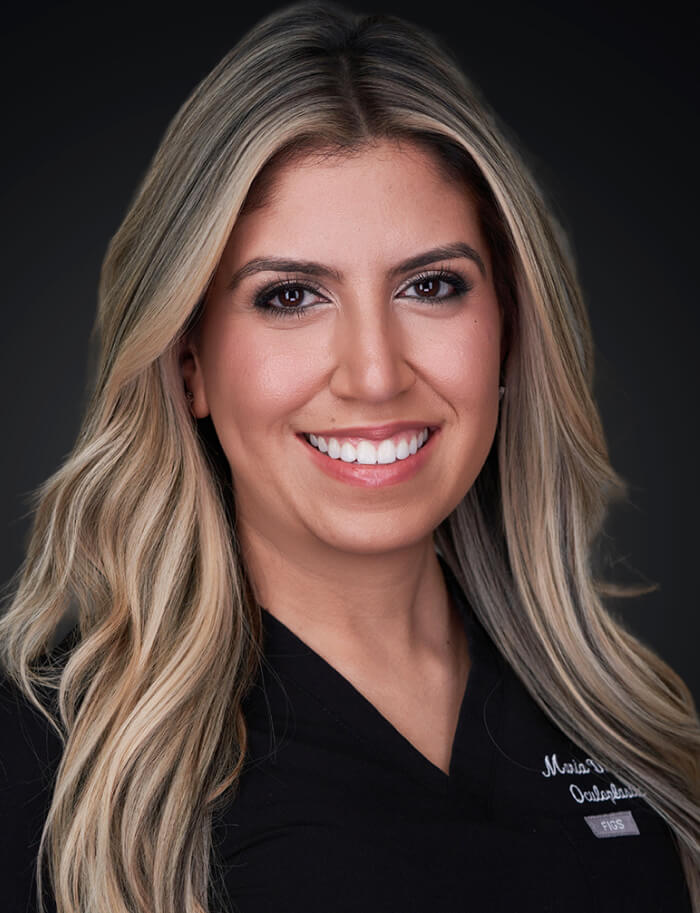
Maria D. Garcia, M.D.
If you are considering eyelid surgery, a personalized consultation with Dr. Garcia is the first step in determining the best approach for your desired results.