
Upper Blepharoplasty
Upper blepharoplasty, also known as upper eyelid surgery, is one of the signature procedures at the Oculofacial Studio. Dr. Garcia carefully evaluates each patient to develop a personalized surgical approach that refines the eyelids and restores a naturally refreshed appearance. Every detail is thoughtfully considered when caring for this delicate and expressive area of the face.
What is An Upper Blepharoplasty?
A cosmetic upper blepharoplasty, commonly known as an eyelid lift, is a surgical procedure that removes excess eyelid skin and, in some cases, small amounts of fatty tissue to rejuvenate the appearance of the upper eyelids.

Is Upper Blepharoplasty Right for Me?
If your upper eyelids are beginning to appear heavy, droopy, or puffy, an upper blepharoplasty may be an ideal option
to restore a more refreshed appearance.
During your consultation, Dr. Garcia takes the time to understand your concerns, aesthetic goals, eyelid history, including prior blepharoplasty, use of neurotoxins, ocular surgeries, and medical conditions, as well as your overall health.
She carefully evaluates the skin, muscle, and fatty tissue around the eyelids, along with the health of the ocular surface.
Based on this comprehensive assessment, Dr. Garcia will guide you toward the most appropriate surgical or non-surgical
treatment to achieve your desired results.
Why Choose Dr. Garcia, an Oculofacial Plastic Surgeon, for Eyelid Surgery?
The eyelids are delicate structures that protect the health of your eyes and shape your facial expression. Because of this complexity, blepharoplasty requires a deep understanding of both facial aesthetics and ophthalmic anatomy.
Dr. Garcia is a board-certified ophthalmologist and fellowship-trained oculofacial plastic surgeon, with specialized training focused exclusively on surgery of the eyelids, eyebrows, and surrounding facial structures. This unique expertise allows her to approach eyelid surgery with exceptional precision while always prioritizing the health and function of the eyes. Known for her warm bedside manner, artistic eye, and gentle hands, patients often describe how comfortable and cared for they feel throughout the entire process.
What To Expect During Upper Blepharoplasty Surgery
Upper blepharoplasty is a meticulous yet comfortable procedure that is typically completed in about one hour. The surgery is performed in a calm, controlled setting with careful attention to your comfort and safety at every step.
Key Steps
Dr. Garcia reviews the surgical plan and answers any questions to ensure you feel comfortable and prepared.
What is the recovery process like and when can I expect to see results?
After surgery, frequent icing is encouraged to help minimize swelling and bruising. Dr. Garcia also prescribes a topical antibiotic ointment to prevent an infection and may recommend anti-inflammatory and anti-bruising medications to support healing and help you return to your usual routine more quickly.
Most patients experience noticeable improvement in swelling and bruising within 1–2 weeks after surgery. Discomfort is typically minimal during the first few days, and many patients describe the recovery as easier than expected. You may temporarily notice mild eyelid tightness, numbness, or eye dryness as the tissues heal and adjust.

Early improvements are often visible within 1–2 weeks, with continued refinement as swelling resolves. The result typically becomes fully apparent over the following several months, revealing a refreshed and natural eyelid appearance.
The goal of surgery is never to change the character of your eyes, but rather to restore a more rested and youthful version of your natural expression.
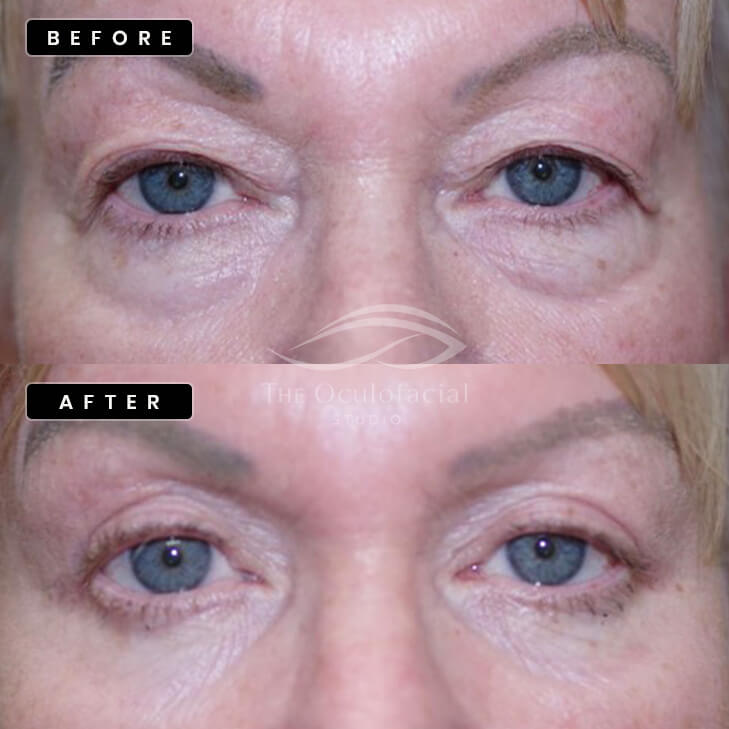
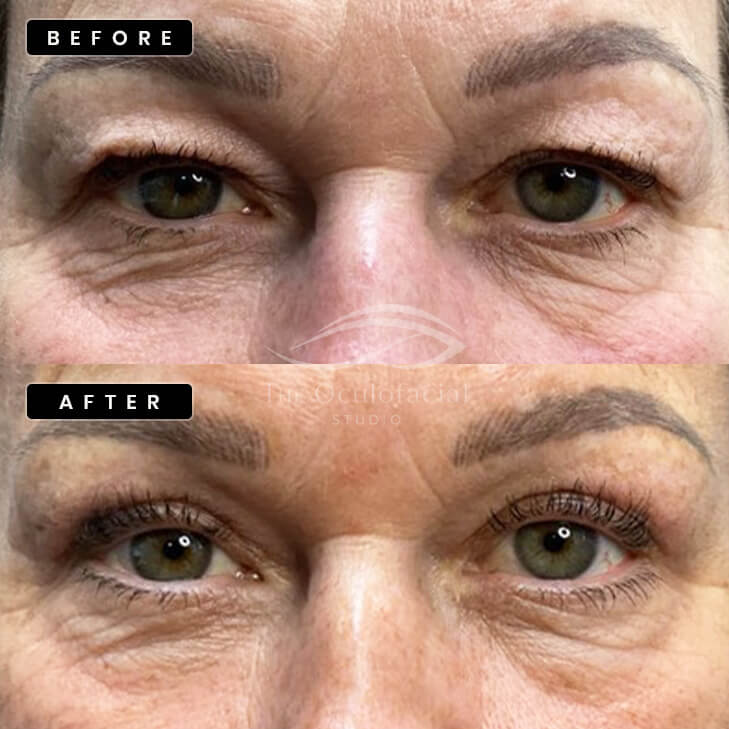
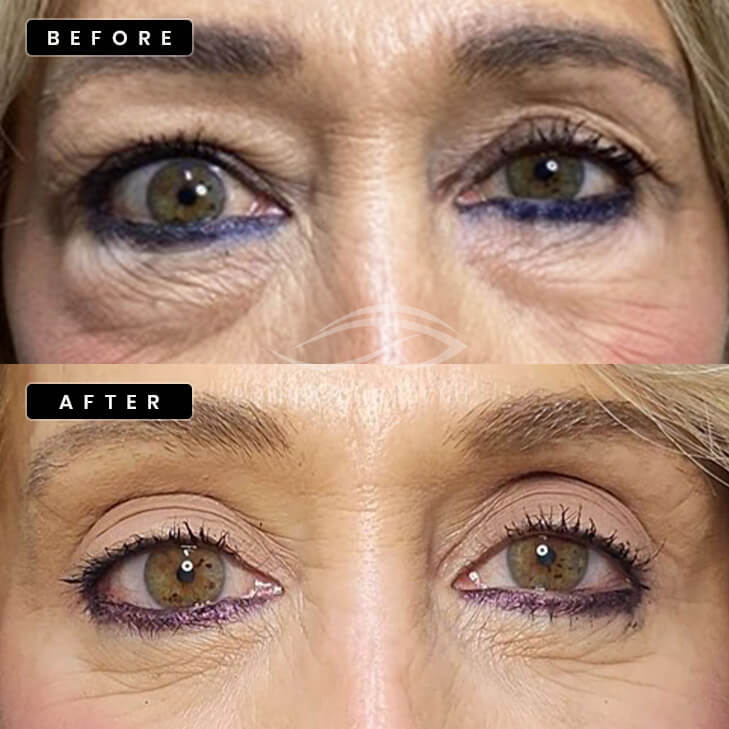
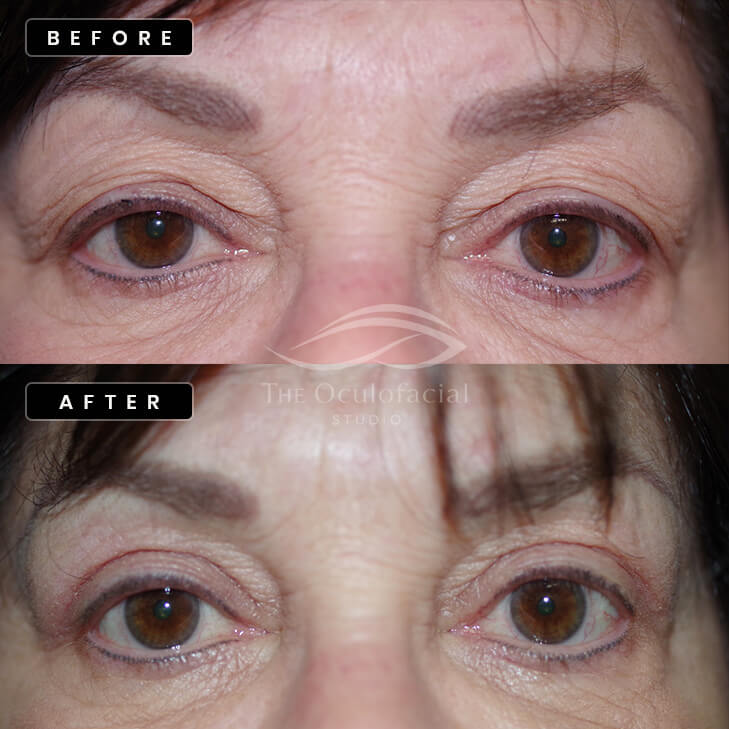
Upper Blepharoplasty Before & Afters
FAQs
What should I do prior to surgery?
Before surgery, Dr. Garcia will carefully review your medications and medical history to ensure that any medications that could increase the risk of bleeding or other surgical complications are safely discontinued. She will also ensure that any prescriptions needed after surgery are provided in advance.
At the Oculofacial Studio, we understand that returning to your daily routine as smoothly as possible is important. For this reason, detailed postoperative instructions are provided before your procedure, allowing you to prepare ahead of time with items such as ice packs and recommended remedies to help minimize swelling and bruising. This preparation helps ensure a comfortable recovery and a seamless transition back to your normal activities.
When should I not have surgery?
There are certain situations where it may be best to delay upper blepharoplasty to ensure the safest procedure and the best possible outcome. These include:
- An upcoming major event or photoshoot
If you have an important event such as a wedding or professional photos scheduled within the next month, it may be best to postpone surgery. While initial recovery occurs within a few weeks, several months are typically needed for swelling to fully resolve and results to set in.
- Extensive prior eyelid surgery with difficulty closing the eyes
Patients who have had significant previous surgery and are unable to fully close their eyes may not be ideal candidates for additional eyelid skin removal, as this can further compromise eyelid function and eye health.
- Recent neurotoxin injections
Treatments such as Botox or other neurotoxins can temporarily affect the position of the eyebrows and eyelids. For the most accurate surgical planning, it is generally recommended to wait about three months after these injections before proceeding with upper blepharoplasty.
- Severe dry eye symptoms
Patients experiencing significant dry eye should be carefully evaluated and treated prior to considering surgery to help protect the health and comfort of the eyes.
- Inability to temporarily stop blood-thinning medications
Medications that thin the blood, such as aspirin, warfarin, etc., can increase the risk of bleeding during surgery. If these medications cannot be safely paused with guidance from your primary doctor or cardiologist, surgery may need to be postponed. Dr. Garcia will carefully review your medications to ensure your safety.
When Can I Return to My Daily Activities?
After upper eyelid blepharoplasty most patients can resume many normal activities fairly quickly. Dr. Garcia provides personalized guidance based on your healing, but general recommendations include:
Driving
If IV sedation is used during surgery, you should wait at least 24 hours before driving. If the procedure is performed in the office under local anesthesia, you may drive the same day; however, we still recommend having someone accompany you home. Ideally, patients should spend the first 2–3 days resting and icing to minimize swelling and reduce the risk of bleeding.
Reading
You may resume reading right away, as comfort allows.
Watching TV
Television may be watched immediately after surgery.
Computer work
Computer use may be resumed right away.
Lifting
Avoid lifting more than 10 pounds for 1–2 weeks after surgery.
Light exercise
Most patients may resume light exercise, such as walking, about one week after surgery.
Strenuous exercise
More vigorous activity and workouts are typically resumed around two weeks after surgery, depending on healing.
Contact lenses
Contact lenses can usually be worn again about two weeks after surgery.
Makeup
Eye makeup can typically be resumed two weeks after surgery, once the incisions have healed.
Dr. Garcia will see you during your postoperative visits to ensure healing is progressing well and guide you safely back to your normal routine.
How long do the results last?
The results of an upper blepharoplasty are long-lasting. While the natural aging process continues, most patients continue to see the benefit of their results for many years.
Schedule Your Consultation
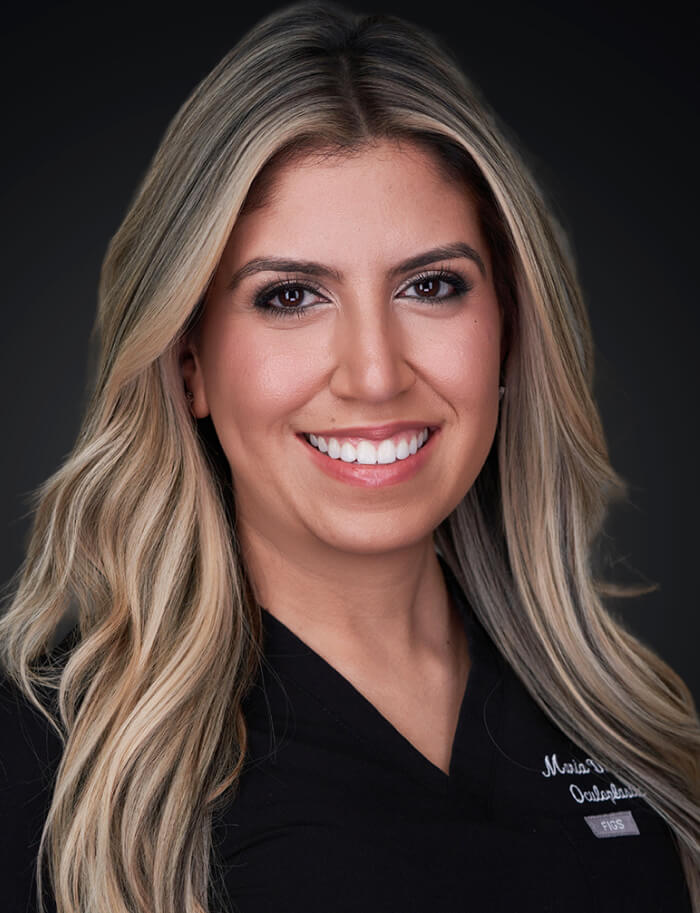
Maria D. Garcia, M.D.
If you are considering eyelid surgery, a personalized consultation with Dr. Garcia is the first step in determining the best approach for your desired results.